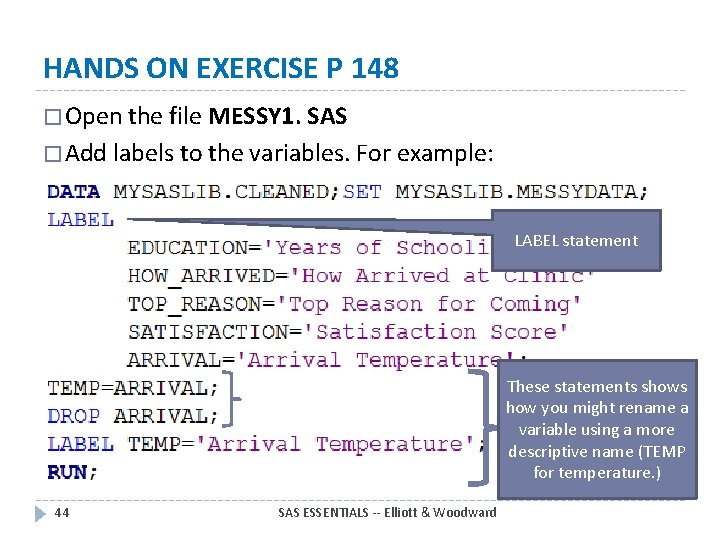
39 sas label statement
Statements : Labels, Statement - SAS OnlineDoc, V8 The LABEL statement assigns a descriptive label to a variable. A statement label identifies a statement or group of statements that are referred to in the same DATA step by another statement, such as a GO TO statement. Examples In this example, if Stock=0, the GO TO statement causes SAS to jump to the statement that is labeled reorder. Statements: Labels, Statement - 9.2 - SAS The LABEL statement assigns a descriptive label to a variable. A statement label identifies a statement or group of statements that are referred to in the same DATA step by another statement, such as a GO TO statement. Examples In this example, if Stock=0, the GO TO statement causes SAS to jump to the statement that is labeled reorder.
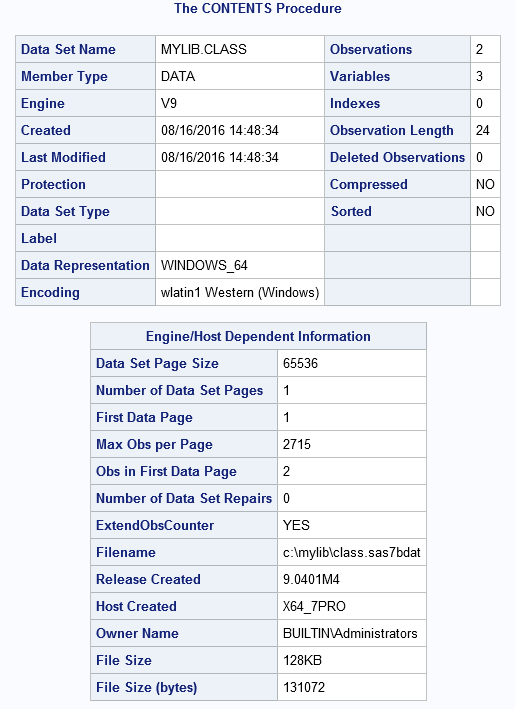
Automating SAS variable labels creation - SAS Users The most direct way of creating column labels is by explicitly assigning them to the data variables. You can do it during the data table creation in a DATA step using either LABEL statement or ATTRIB statement. Alternatively, you can do it after your data table is already created by using PROC DATASETS' MODIFY statement with the LABEL= option.
Sas label statement
LABEL Statement - SAS The LABEL statement specifies a label of up to 255 characters for parameters and other variables used in the model program. Labels are used to identify parts of the printout of FIT and SOLVE tasks. The labels will be displayed in the output if the LINESIZE= option is large enough. Chapter Contents Previous Next Top Statements: LABEL Statement - 9.2 - SAS Using a LABEL statement in a DATA step permanently associates labels with variables by affecting the descriptor information of the SAS data set that contains the variables. You can associate any number of variables with labels in a single LABEL statement. You can use a LABEL statement in a PROC step, but the rules are different. HBar with Data Labels - Graphically Speaking - SAS Blogs CATEGORYORDER=respdesc is used to get a graph with descending response values. Here is the SGPLOT program. title 'Actual Values by Name with Data Labels'; proc sgplot data=bars noborder noautolegend; hbar name / response=actual nostatlabel dataskin=pressed displaybaseline=auto. datalabel=name datalabelattrs= (weight=bold) datalabelfitpolicy ...
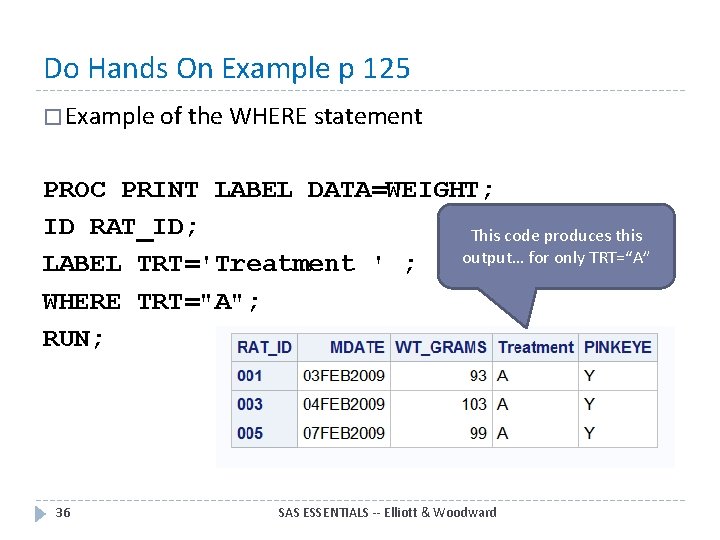
Sas label statement. Suppress variable labels in SAS procedures - The DO Loop Now, I'm sure that the procedure "means" well (pun intended), but I don't need to see the labels for these variables. I can probably remember that the SepalLength variable is a measurement of the "Sepal Length"! On a whim, I searched for the terms "PROC MEANS" and "NOLABEL" and—Awesome!—was led to a SAS Knowledge Base article entitled "New option to suppress variable labels in PROC MEANS." Global Statements - SAS Moves execution immediately to the statement label that is specified: IF-THEN/ELSE: Executes a SAS statement for observations that meet specific conditions: Labels, Statement: Identifies a statement that is referred to by another statement : LEAVE: Stops processing the current loop and resumes with the next statement in sequence: LINK: Jumps to ... Statements: ATTRIB Statement - 9.2 - SAS Support The informat can be either a standard SAS informat or an informat that is defined with the FORMAT procedure. LABEL=' label ' associates a label with variables in variable-list. LENGTH=<$> length specifies the length of variables in variable-list. TRANSCODE=YES | NO specifies whether character variables can be transcoded. SAS Help Center: LABEL Statement Label statements can be used in a DATA step and within some PROC steps. If a label is assigned to a variable in a DATA step or in PROC DATASETS, the label is permanently assigned in the output data set descriptor. Some PROCs, such as PROC PRINT, can temporarily associate a label with a variable for use during the procedure.
Statements : ATTRIB - SAS OnlineDoc, V8 Here are examples of ATTRIB statements that contain. single variable and single attribute: attrib cost length=4; single variable with multiple attributes: attrib saleday informat=mmddyy. format=worddate.; multiple variables with the same multiple attributes: attrib x y length=$4 label='TEST VARIABLE'; LABEL Statement - SAS Help Center Using a LABEL statement in a DATA step permanently associates labels with variables by affecting the descriptor information of the SAS data set that contains the variables. You can associate any number of variables with labels in a single LABEL statement. You can use a LABEL statement in a PROC step, but the rules are different. SAS - Basic Syntax - tutorialspoint.com SAS Statements. Statements can start anywhere and end anywhere. A semicolon at the end of the last line marks the end of the statement. ... *.sas7bdat −It represents SAS Data File which contains a SAS data set including variable names, labels, and the results of calculations. Comments in SAS. Comments in SAS code are specified in two ways ... PDF Techniques for Labeling SAS® Variables If you have hundreds of variables, your LABEL statement can go on for pages. No one wants to type all those labels. If the text for the labels is similar or is available electroni-cally, there are better methods than typing the text in your program. In theory, there could be SAS® syntax to set ... Chow, Adam, "Macro To Put Variable Labels ...
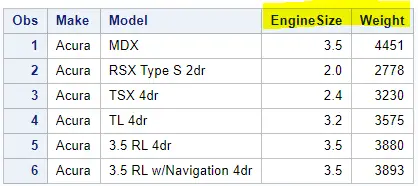
How to Label Variables in SAS - SAS Example Code In SAS, you can create a variable label with the LABEL statement. You can use this statement to assign one or more labels using 3 methods, namely a SAS DATA Step, the PROC SQL procedure, and the PROC DATASETS procedure. The exact syntax of the LABEL statement depends on the method of choice. Label statement sas example The desc option on the proc logistic statement is necessary so that SAS models the probability of being female (i.e., female = 1). The expb option on the model statement tells SAS to display the exponentiated coefficients (i.e., the odds ratios). proc logistic data = "c:/mydata/hsb2" desc; model female = read write / expb; run;. . Macro Statements: %label Statement - SAS label. specifies a SAS name. macro-text. is a macro statement, a text expression, or constant text. The following examples illustrate each: ... %final: data _null_; Details: The label name is preceded by a %. When you specify this label in a %GOTO statement, do not precede it with a %. An alternative to using the %GOTO statement and statement ... SAS Help Center Base SAS Procedures. DATA Step Programming. DATA Step Programming for CAS. Data Set Options. Formats and Informats. Functions and CALL Routines. DATA Step Statements. Syntax Conventions for the SAS Language. Whatʼs New.
Introduction to SAS Essentials Mastering SAS for Data
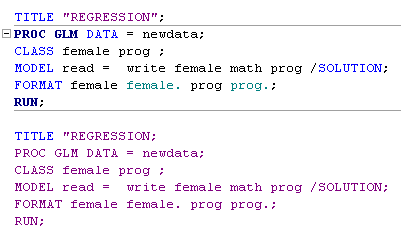
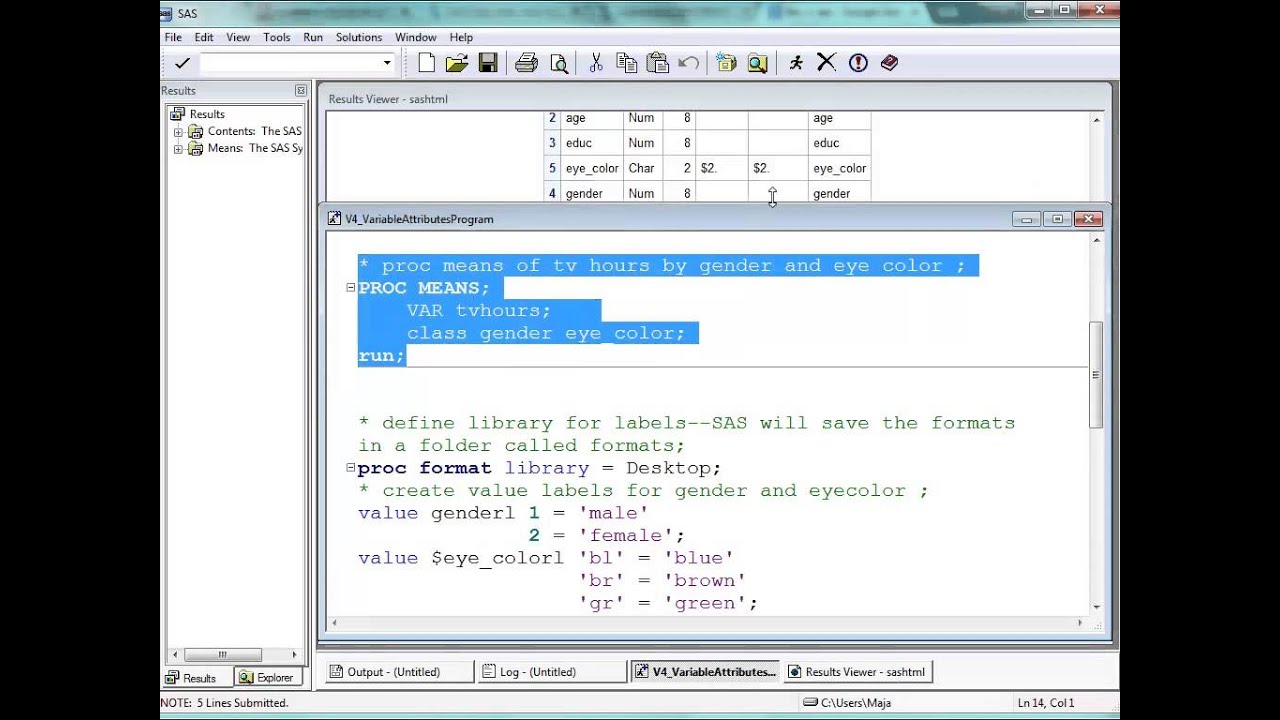
Labeling | SAS Learning Modules Creating and using value labels Labeling values is a two step process. First, you must create the label formats with proc format using a value statement. Next, you attach the label format to the variable with a format statement. This format statement can be used in either proc or data steps.
SAS Help Center: Removing All Labels and Formats in a Data Set
SAS Tutorials: User-Defined Formats (Value Labels) End the PROC FORMAT with a RUN statement and a semi-colon. Typically, you will assign a unique value label to each unique data value, but it's also possible to assign the same label to a range of data values. Creating labels for each data value. The most common way of labeling data is to simply assign each unique code its own label.

الوضع ورقة الشجر الإيمان تسويق أقل من إمرأة شابة sas case ...
Statements : LABEL - SAS Using a LABEL statement in a DATA step permanently associates labels with variables by affecting the descriptor information of the SAS data set that contains the variables. You can associate any number of variables with labels in a single LABEL statement. You can use a LABEL statement in a PROC step, but the rules are different.

SAS Interview Questions | PDF | Sas (Software) | Macro ...
'label' Statement - Boston University When a label statement is placed in a data step, the label stays with the variable for all subsequent procedures, unless relabeled. When placed in a procedure the label only stays attached to the variable for that procedure. Use double quotes if there is to be a single quote in the label. For example, label mombp="mother's systolic bld pressure";

How to Use LIKE Operator in SAS - SASCrunch.com
SAS Help Center: LABEL Statement SAS® 9.4 DATA Step Statements: Reference documentation.sas.com. SAS® Help Center. Customer Support SAS Documentation. SAS® 9.4 and SAS® Viya® 3.5 Programming Documentation ... Both the ATTRIB and LABEL statements can associate labels with variables and change a label that is associated with a variable. Label statements can be used in a ...
How to Label Variables in SAS - SAS Example Code
Solved: Label statement not working... - SAS Support Communities 1. Try creating new dataset instead of overwriting the current one, ie data samples2 rather than data samples. 2. Run a proc print to verify the labels are created: proc print data=samples2 label; var visit:; run;

Plot Procedure - SAS programming - Lecture Notes | CS 2331 ...
LABEL Statement :: SAS(R) 9.3 Statements: Reference Using a LABEL statement in a DATA step permanently associates labels with variables by affecting the descriptor information of the SAS data set that contains the variables. You can associate any number of variables with labels in a single LABEL statement. ...
Editing and Debugging SAS Programs - 37 of 45
HBar with Data Labels - Graphically Speaking - SAS Blogs CATEGORYORDER=respdesc is used to get a graph with descending response values. Here is the SGPLOT program. title 'Actual Values by Name with Data Labels'; proc sgplot data=bars noborder noautolegend; hbar name / response=actual nostatlabel dataskin=pressed displaybaseline=auto. datalabel=name datalabelattrs= (weight=bold) datalabelfitpolicy ...

BI Notes for SAS® Users » Steve Overton
Statements: LABEL Statement - 9.2 - SAS Using a LABEL statement in a DATA step permanently associates labels with variables by affecting the descriptor information of the SAS data set that contains the variables. You can associate any number of variables with labels in a single LABEL statement. You can use a LABEL statement in a PROC step, but the rules are different.

40 Most Common SAS Statements, Functions and Procedures ...
LABEL Statement - SAS The LABEL statement specifies a label of up to 255 characters for parameters and other variables used in the model program. Labels are used to identify parts of the printout of FIT and SOLVE tasks. The labels will be displayed in the output if the LINESIZE= option is large enough. Chapter Contents Previous Next Top

SAS : Label Statement & Rename Statement - TechnicalJockey

Viewing Data - SAS Tutorials - LibGuides at Kent State University
Jual Lenovo System X SSD SAS 3.84TB 12Gb 01GR787 Samsung ...
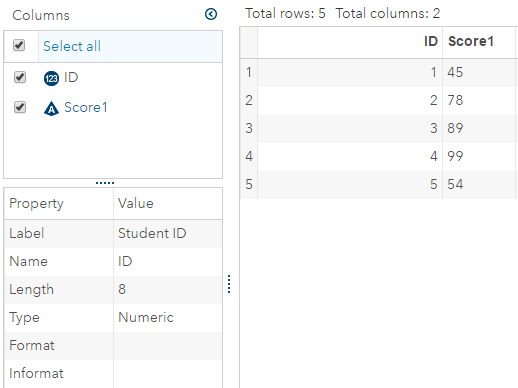
SAS : Label Statement & Rename Statement - TechnicalJockey

Introduction to SAS Essentials Mastering SAS for Data ...
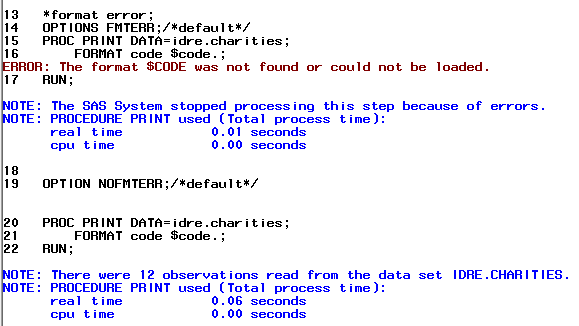
SAS Programming Basics
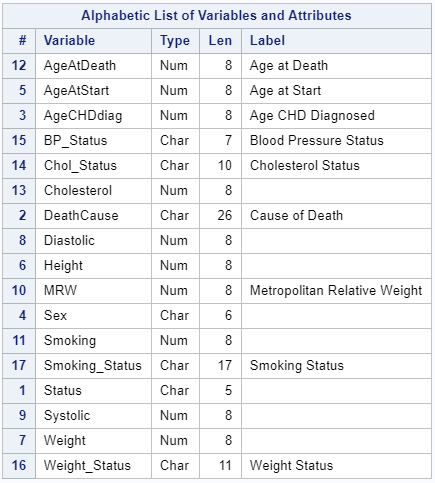
How to Label Variables in SAS - SAS Example Code
1) INTRODUCTION
Introduction to SAS Essentials Mastering SAS for Data

How to square an independent variable - SAS Support Communities

Lesson 8

How to Import CSV Files into SAS - SASCrunch.com
SAS Programming Basics

Question On Sas | PDF | Sas (Software) | Databases
SAS Variables - Javatpoint
SAS variable attributes and labeling

Jual Hardisk Server IBM IBM 600GB 15K 12Gb SAS 2.5" 00AR323 ...

الوضع ورقة الشجر الإيمان تسويق أقل من إمرأة شابة sas case ...
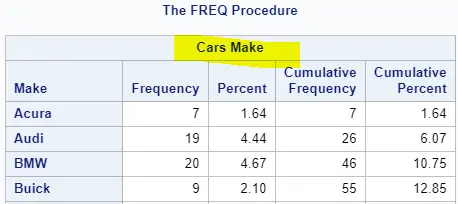
How to Label Variables in SAS - SAS Example Code

SAS Certification Part -7 Modify Variables With Rename Label Formats
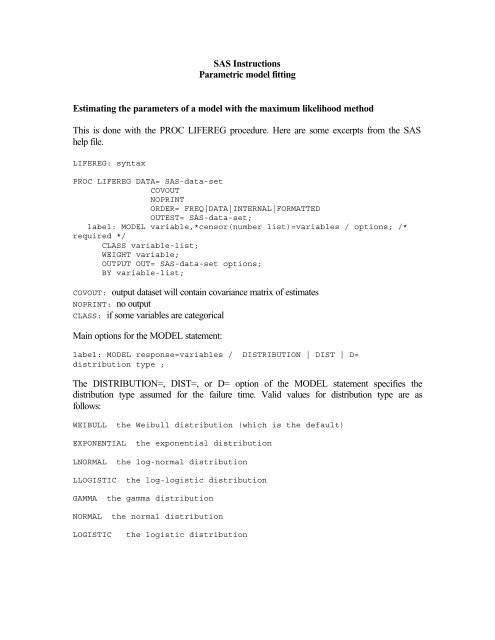
Fitting a parametric model with SAS

Solved: labels not showing - SAS Support Communities

Jual RI SSD Server 1.92TB 12GB SAS 2.5 inch PM1633a IBM ...
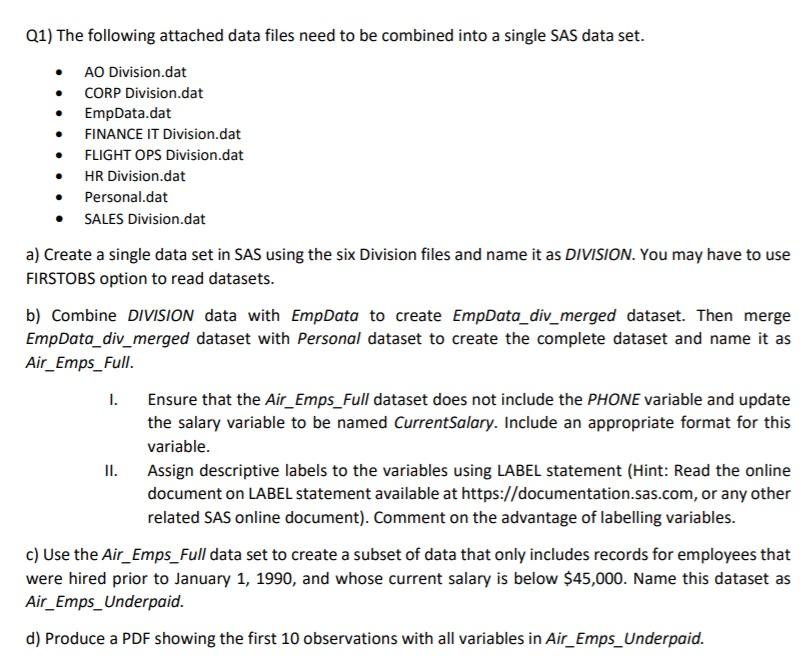
Q1) The following attached data files need to be | Chegg.com

Defining Variables - SAS Tutorials - LibGuides at Kent State ...
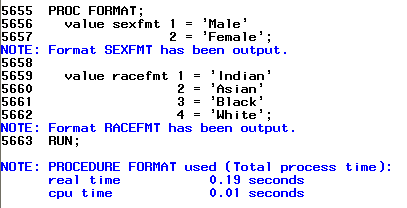
9.3 - The VALUE Statement | STAT 480
1) INTRODUCTION
Brief summary of Proc probit in SAS
Introduction to SAS Essentials Mastering SAS for Data
Post a Comment for "39 sas label statement"