41 label the 3 parts of the atp molecule
Adenosine triphosphate - Wikipedia Adenosine triphosphate (ATP) is an organic compound and hydrotrope that provides energy to drive many processes in living cells, such as muscle contraction, nerve impulse propagation, condensate dissolution, and chemical synthesis. Found in all known forms of life, ATP is often referred to as the "molecular unit of currency" of intracellular energy transfer. Draw and label an ATP model please - Brainly.com Answer: Adenosine triphosphate (ATP) consists of an adenosine molecule bonded to three phophate groups in a row. In a process called cellular respiration, chemical energy in food is converted into chemical energy that the cell can use, and stores it in molecules of ATP.
Adenosine Triphosphate (ATP) - HHMI BioInteractive When ATP binds to and activates BCR-ABL, it signals white blood cells to divide uncontrollably. Small-molecule cancer drugs such as Gleevec (imatinib) and dasatinib, which have structures similar to that of ATP, can bind to BCR-ABL in ATP's place and inhibit the kinase's activity. The 3D model can be viewed and rotated in the online 3D Viewer.

Label the 3 parts of the atp molecule
Unit 7.pdf - 1. Draw and label an ATP molecule. Make sure... Draw and label an ATP molecule. Make sure to include the 3 parts. 2. What is the process called when a phosphate is added to the ADP molecule a. Photosynthesis b. Phosphorylation c. Permeability d. Precipitation The ATP Molecule -Chemical and Physical Properties The Adenosine triphosphate ( ATP) molecule is the nucleotide known in biochemistry as the "molecular currency" of intracellular energy transfer; that is, ATP is able to store and transport chemical energy within cells. ATP also plays an important role in the synthesis of nucleic acids. Energy is released by hydrolysis of the third phosphate group. ATP: Definition & Molecules - Video & Lesson Transcript | Study.com ATP, or adenosine triphosphate, is a high-energy molecule that is found floating in the cytoplasm of every cell. It's a three-part molecule that has a phosphate group. When this phosphate group ...
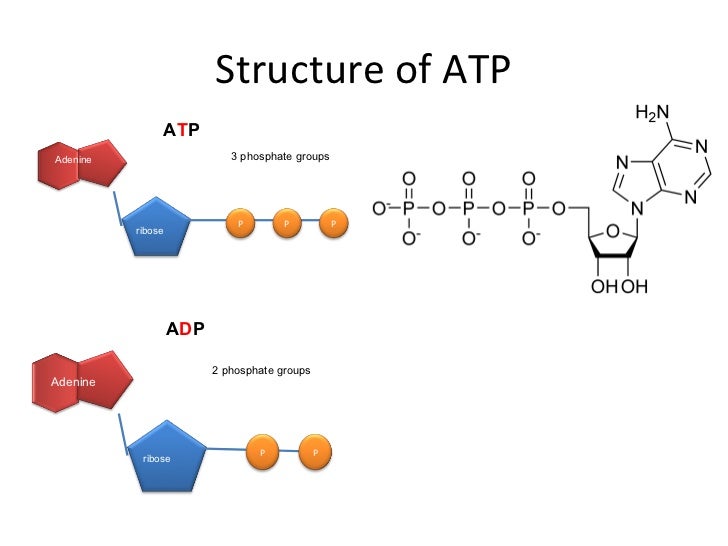
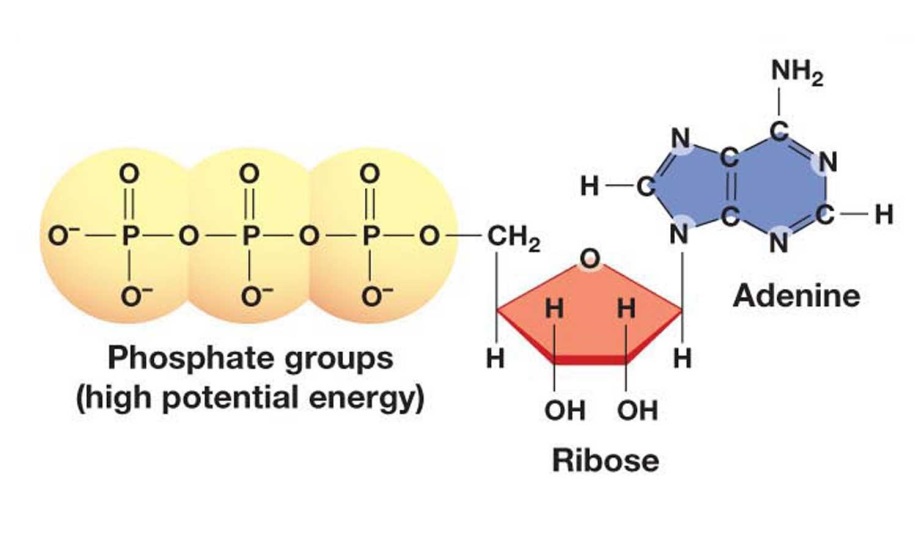
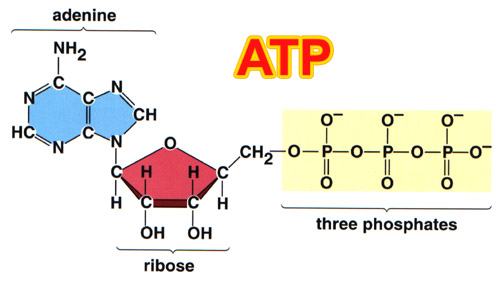
Label the 3 parts of the atp molecule. What are 3 parts of an ATP molecule? - AskingLot.com The three components of an ATP moleculer are a 5 carbon sugar - ribose, Adenine a base found in DNA and a chain of three phosphate groups attached to the ribose backbone. The function of ATP is to store energy in small usable units. Describe how ATP stores energy. Also, what are 3 ways the cell uses ATP? ATP (Adenosine Triphosphate) SOLVED:Hand draw (pen, pencil, crayon, etc) and label the structure of ... And most of the ATP is also produced from the proton gradient formed thanks to the electron carriers that donate their electrons in protein structures on the file. ... pencil, crayon, etc) and label the structure of a molecule of ATP (not a mitochondrium). Identify which specific part of the molecule produces the energy to facilitate metabolic ... The ATP molecule in 3-D - BioTopics The ATP (adenosine triphosphate) molecule has 3 main parts: the base adenine - a double ring like section with several nitrogen atoms (blue), ; the 5 carbon sugar ribose in the centre, and ; 3 phosphate groups - a row of phosphorus atoms (orange) surrounded by oxygens (red). These carry negative charges, resulting from the release of H + from -OH groups around the phosphorus atoms. What are three parts of an ATP molecule? | Socratic Adenine, Ribose, and three Phosphate groups. ATP molecules are used by all living organism as energy to carry out life functions. Also notable, ATP stands for Adenosine Triphosphate. This molecule is composed of three parts: Adenine Ribose Three Phosphate Groups Here is a picture:
What are the three parts of the ATP molecule? - Answers The three parts of an ATP, adenosine triphosphate, molecule are:A sugar (ribose)3 phosphates (the energy is stored in the unstable covalent phosphate bonds)Adenine (a double ring of carbon and... atp molecule labeled - DaVinci Custom Linear Fireplaces Label each part of the atp molecule illustrated below. In the yeast Schizosaccharomyces pombe the FANCM-family DNA helicase FmI1 directs NCO recombination formation during meiosis. u Based on these helicase motifs, a number of helicase superfamilies have been distinguished. In: Spies, M. What Are the Three Parts of an Atp Molecule The three components of an ATP moleculer are a 5 carbon sugar - ribose Adenine a base found in DNA and a chain of three phosphate groups attached to the ribose backbone. Adenine thylakoid and a phosphate group B. Adenine Ribose Three Phosphate Groups. Adenosine Triphosphate ATP consists of adenine ribose and three phosphate groups. Solved Part 2 (1 pt) See Hint Within the image of ATP, label | Chegg.com Question 1 First portion is Phosphate groups -Here three Phosphate groups are linked to each other. Second middle portion is ribose sugar , its 2'Carbon have -OH group (Contains Oxygen atom), and it is a 5-C sugar. Third last portion is Adenine - It … View the full answer
Structure of ATP - Learn Insta The ATP molecule is composed of three components. These phosphates are the key to the activity of ATP. ATP consists of a base, in this case adenine (red), a ribose (magenta) and a phosphate chain (blue). All living things, plants and animals, require a continual supply of energy in order to function. PDF ATP - Loudoun County Public Schools List the three parts of the ATP molecule and label each on the simplified molecule below. a. b. c. 2. Describe how you would be able to identify each part of the ATP molecule. Give yourself clues to identify each component. a. b. c. A sporting goods store might accept a $100 bill for the purchase of a bicycle, but the Describe the three parts of an ATP molecule? - Answers What are the three parts of an ATP molecule? The three parts of an ATP, adenosine triphosphate, molecule are:A sugar (ribose)3 phosphates (the energy is stored in the unstable covalent phosphate... Answered: Part 1: The structure of ATP TP… | bartleby 1. COLOR the following ATP molecules below and provide a key to show the 3 parts. 2. Label the area that represents the HIGH ENERGY bond. Key: O = Adenine 0= Ribose O = Phosphates booo 3 Question see pic
Respiration intro 3.7 and mitochondria
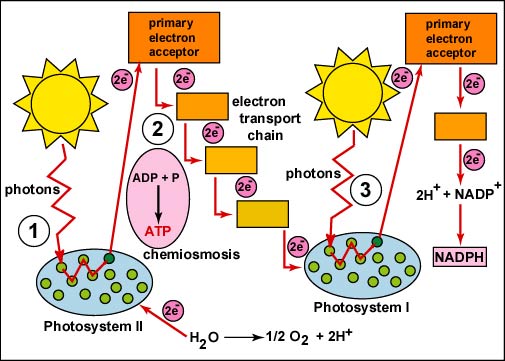
Biology ATP Flashcards | Quizlet What are the three parts of an ATP molecule? 1. Adenine 2. Phosphate Groups 3. Ribose. Write the reaction for the breakdown of ATP. ... 1/2 molecule oxygen gas, two hydrogen ions, and 2 electrons oxygen - released 2Hions - make NADPH 2e - replace those lost to electron transport chain.

ATP_Pogil.docx - 1 The diagram of ATP in Model 1 has three parts Use ...
Identify the three components [(i),(ii) and (iii)] of ATP molecule ... ATP or adenosine triphosphate or Adenine- ribose-phosphate-phosphate-phosphate. The bonds joining the additional phosphate groups o the nucleotides are called high energy or energy-rich bonds. Adenine- It is a nitrogenous base of 9 membered double ring purine.
Photosynthesis: Light Reactions
Solved Determine whether the following statement is true or - Chegg Part 2 (1 point) See Hint Within the image of ATP. label the three major parts of the molecule by dragging the labels to their targets. A phosphate groups ribose phosphoanhydride bonds deoxyribose oob-o- H N NH 0 adenine This problem has been solved! See the answer Show transcribed image text Expert Answer 100% (24 ratings)
All Categories - IB Diploma help
Concept 2: Adenosine Triphosphate Flashcards - Quizlet Adenosine triphosphate (ATP) is considered by biologists to be the energy currency of life. label the parts of a molecule of ATP. (the ribosome) B label the parts of a molecule of ATP. (the adenosine) A label the parts of a molecule of ATP (what makes up ADP) A, B, and C What is broken off an ATP to make an ADP? D

What Has Gone Wrong With Eating?: What are our Body's Basic Energy ...
Adenosine Triphosphate (ATP) - Definition, Structure and Function This is a structural diagram of ATP. It is made up of the molecule adenosine (which itself is made up of adenine and a ribose sugar) and three phosphate groups. It is soluble in water and has a high energy content due to having two phosphoanhydride bonds connecting the three phosphate groups. Functions of ATP Energy Source
35 Label Each Part Of The Atp Molecule - Labels Database 2020
adenosine triphosphate | Definition, Structure, Function, & Facts adenosine triphosphate (ATP), energy-carrying molecule found in the cells of all living things. ATP captures chemical energy obtained from the breakdown of food molecules and releases it to fuel other cellular processes. Cells require chemical energy for three general types of tasks: to drive metabolic reactions that would not occur automatically; to transport needed substances across ...
.jpg?resize=390%2C232)
Energy, ATP, and ADP – sciencemusicvideos
ATP.docx - ATP\u2014The Free Energy Carrier How does the ATP molecule ... View ATP.docx from BIO 101 at Issaquah High School. ATP—The Free Energy Carrier How does the ATP molecule capture, store, and release energy? Why? A sporting goods store might accept a $100 bill
Experiment #13: Soil Testing
ATP: Definition & Molecules - Video & Lesson Transcript | Study.com ATP, or adenosine triphosphate, is a high-energy molecule that is found floating in the cytoplasm of every cell. It's a three-part molecule that has a phosphate group. When this phosphate group ...

4_GB_07_CellRespir_J_Su2003
The ATP Molecule -Chemical and Physical Properties The Adenosine triphosphate ( ATP) molecule is the nucleotide known in biochemistry as the "molecular currency" of intracellular energy transfer; that is, ATP is able to store and transport chemical energy within cells. ATP also plays an important role in the synthesis of nucleic acids. Energy is released by hydrolysis of the third phosphate group.
Post a Comment for "41 label the 3 parts of the atp molecule"